
2 Truths and a Lie About Low Back Pain

Did you ever play 2 truths and a lie when you were younger? I did and I was always terrible at it! I’m such a bad liar!
Woman smiling with long brown hair and floral top.
Dr. Rebecca Jane-McAllister
Medical professional examining a woman for low back pain in a clinical setting.

Table of Contents

Woman smiling with long brown hair and floral top.

Dr.Rebecca-Jane McAllister

I help people with low back pain (with or without leg pain) understand and manage their pain

Let’s Play!

Well, I’m resurrecting it right here, right now because there are A LOT of straight up lies out there about low back pain that people are taking as truth (which of course is going to make it WAY harder to actually understand and manage your low back pain.)

So here it goes… 2 truths and a lie about low back pain: 

  1. Globally, low back pain causes more disability, activity limitation, and missed work days than any other condition.
  2. The majority of low back pain is caused by damage to the muscles and joints of the low back.
  3. Approximately 90% of low back pain cases are not caused by serious underlying injury or disease and typically do not require MRIs, CT scans, medication, surgical referrals, or opioid prescriptions.

Can you guess which one is the lie?

If you said #2 – you’re bang on! Lie #2 is SUCH a common myth that I see plastered all over the internet.

The structures of the back are so intertwined that it is almost impossible to say which tissue (or tissues) are causing someone’s pain. Additionally, pain is rarely a sign of a low back injury. In the majority of cases, several structures and tissues are involved. Fortunately however, it is not important to know exactly which structures and tissues are involved in order to provide the right treatment. 

And look, if you were convinced your low back pain is because of degenerative joint or disc disease, or because of a ruptured disc or a disc bulge, or because of ‘tight hip flexors or tight hamstrings’, that’s A-OK. Manyyyy people do… it just unfortunately won’t help you better understand and manage your pain moving forward.

Instead, I suggest using a professional to give you a real, evidence-based path forward to help you get back to the things you have to do, and love to do, every day!

Might I suggest me!

This is exactly what I do day in, day out and would love to help you do the same. You can book your initial assessment or complimentary consult here:

Disclaimer: The information provided in this blog is for informational purposes only. It is meant to augment and not replace consultation with a licensed healthcare provider. Consultation with a licensed healthcare provider is recommended for anyone suffering from a health problem.

References

1

Health Quality Ontario. (2019). Low back pain: care for adults with acute low back pain (Quality Standard & Patient Guide). Retrieved from: https://www.hqontario.ca/evidence-to-improve-care/quality-standards/view-all-quality-standards/low-back-pain

More Blog Posts

Emergency first aid for workplace injuries in a warehouse setting.

WCB Alberta Claims & Chiropractic Care for Workplace Injuries

Learn how WCB–Alberta covers chiropractic care for work-related injuries and how injured workers can start treatment quickly.
Learn More
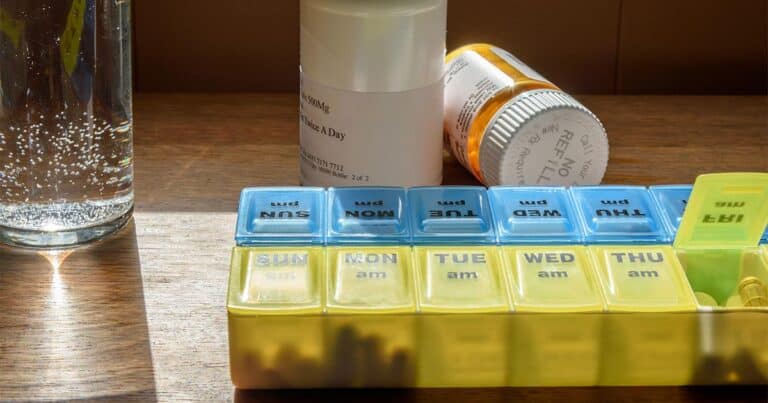
Medication management and weekly pill organizer for health review.

Is It Time to Review Your Medications? Here’s How to Start the Conversation.

While medication management falls outside the chiropractic scope of practice, understanding what you take and how it affects your daily life is still an important part of providing safe, effective, and coordinated care.
Learn More
Healthcare professional in white coat with crossed arms, emphasizing back pain.

When the Chiropractor Becomes the Patient: My Recent Experience with Acute Low Back Pain

As a chiropractor, I spend much of my professional life helping others navigate their pain.
Learn More