

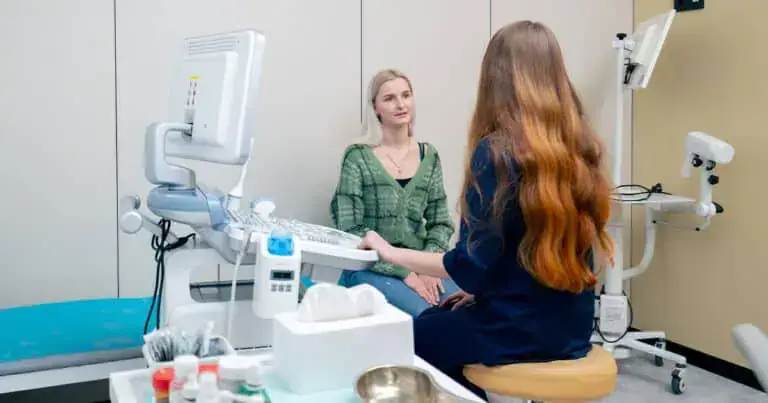
Screening tests can help find health problems early – before symptoms start – so that they can be treated or managed right away.1
Whether it’s checking for cancer, diabetes, high blood pressure, or other conditions, knowing what tests you need (and when to get them) can help you live a longer, healthier life.
Let’s explore how screening works in Alberta and how you can take charge of your health by staying on top of recommended tests.
What Is Preventive Screening?
Screening means checking for signs of disease when you feel fine.1 It’s different from tests you get when you’re already sick or have symptoms.
Some examples of screening include:
- A mammogram to check for breast cancer
- A Pap test to screen for cervical cancer
- A FIT test (stool test) to screen for colon cancer
- Blood pressure checks
- Blood tests for cholesterol or diabetes
Early detection through screening can lead to:
- Easier and more effective treatment1
- Lower risk of complications1
- Better long-term outcomes1
The goal: Catch problems early – before they become serious.
How Do I Know Which Tests I Need?
Your age, gender, family history, and lifestyle all help determine which screening tests are right for you.1 In Alberta, your family doctor or primary care team follows trusted guidelines to help you get the tests you need, based on the ASaP program (Alberta Screening and Prevention).2
Here are some general screening guidelines, based on the ASaP Program
Talk to your doctor or clinic team to find out what’s right for you!
“I’m Healthy – Why Do I Need a Test?”
That’s exactly the point of screening! You may feel fine, but some health problems develop silently over time.1
For example:
- High blood pressure often has no symptoms, but it increases your risk of stroke and heart attack3
- Colorectal cancer can grow for years without signs4
- Cervical cancer is highly preventable with regular Pap testing5
By finding issues early, you have more options – and better chances – for treatment and prevention.
What Is ASaP and Why Does It Matter?
The ASaP (Alberta Screening and Prevention) program helps doctors and clinics keep track of which patients are due for screening. Even if you don’t visit your doctor often, the clinic may reach out to you when you’re due for a test.
There’s also ASaP+6, which focuses on healthy lifestyle changes – like quitting smoking, moving more, eating well, and limiting alcohol – that can reduce your risk of cancer and chronic disease.6
How Your Chiropractor Can Support Your Preventive Health
Did you know your chiropractor can be an important part of your preventive health team? Chiropractors focus on your whole-body health – not just your spine or joints. They can help you prepare for health screening and support you in making lifestyle choices that reduce your risk of chronic disease.
Here’s how your chiropractor can support your health goals:
- Start the conversation: Your chiropractor may ask when your last family doctor screening appointment was – and encourage you to follow up.
- Help you prepare: If you’re unsure what to ask your doctor, your chiropractor can help you create a list of questions, so you feel more confident and informed.
- Discuss lifestyle risk factors: Chiropractors regularly talk with patients about physical activity, posture, nutrition, stress management, and healthy habits – all of which can affect your overall health and risk for conditions like heart disease, diabetes, and some cancers.
- Support behaviour change: If you’re working on quitting smoking, being more active, managing weight, or reducing alcohol use, your chiropractor can help you set goals and stay on track.
- Encourage follow-up: If you’re overdue for screening or don’t currently have a family doctor, your chiropractor can help guide you toward resources that connect you with the care you need.
By having these conversations during your chiropractic visit, you’ll feel more prepared – and empowered – to take the next step in your preventive health journey.
What Can YOU Do to Stay on Track?
Here are five simple steps to take charge of your health:
- Know Your Numbers – Keep track of your last screening tests (your clinic may help with this).
- Ask Questions – Not sure if a test is right for you? Talk to your doctor.
- Book It – If you’re due for a test, make an appointment. Don’t wait until you start to experience symptoms or for your doctor to reach out.
- Share Your Family History – It can help your care team decide which tests you need.
- Use MyHealth Records – Alberta’s online health tool can help you see your test results and appointments.
If you’re unsure where to start, call your family doctor’s office or even talk to your chiropractor – they’re all here to support your health journey.
Remember: You Deserve Preventive Care
Preventive screening is not just about avoiding illness – it’s about living well.
By booking the right tests at the right time – and getting support from your healthcare team, including your chiropractor – you’re investing in your long-term health.
Don’t wait. Ask your doctor (or chiropractor) about your screening schedule today.